
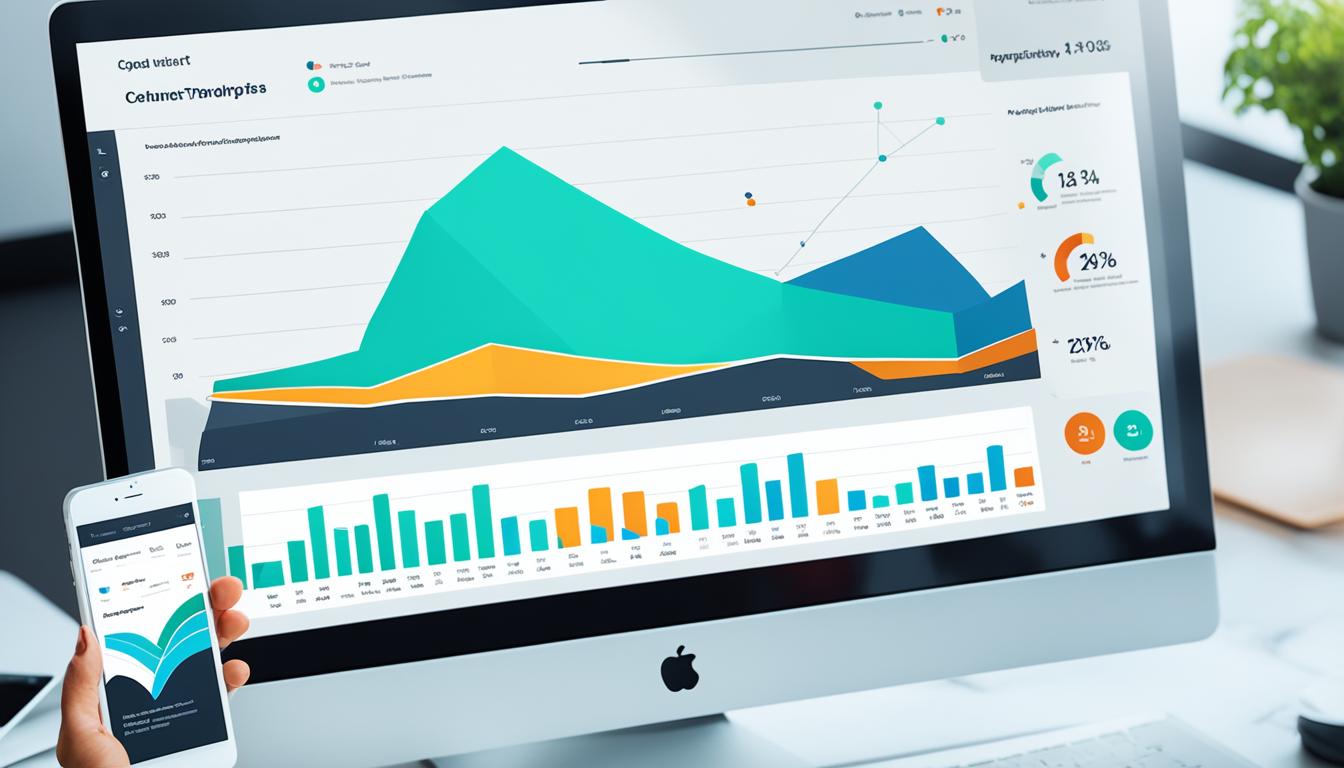
In the landscape of modern enterprise, the ability to make strategic business decisions hinges on the thorough analysis and understanding of CRM analytics. As a decision-maker, your proficiency in leveraging CRM reporting and dashboards can remarkably influence the trajectory of your business’s growth and competitiveness.
With cutting-edge CRM data visualization technologies, you possess the power to distill complex data into digestible and actionable insights. This command over data, born from CRM analytics, serves as your guiding star in the realm of corporate decision-making, ultimately shaping refined strategies for market success.
Key Takeaways
- Master CRM reporting and dashboards to drive strategic business decisions.
- Leverage powerful CRM analytics for a profound understanding of your data.
- Utilize CRM data visualization for clear and actionable business insights.
- Enhance decision-making with real-time data provided by CRM dashboards.
- Transform CRM analytics into strategic advantages for your business.
Understanding the Value of CRM Analytics in Business Strategy
In the dynamic world of business, the application of CRM analytics is more than a mere convenience—it is the linchpin of strategic planning and informed decision making. By leveraging cutting-edge CRM data analysis, you position your organization for heightened performance and competitive advantage.
Evolving beyond traditional methods, CRM performance reporting has revolutionized the way companies understand customer engagement, sales metrics, and overall business health. Discover how integrating CRM reporting tools into your business strategy can create a robust foundation for growth and efficiency.
The Role of CRM in Data-Driven Decision Making
In an environment where every decision can impact your bottom line, CRM reporting tools provide a data-rich compass to guide your strategy. You’ll find that a rich repository of customer interactions and engagements can inform your decision making, enabling you to act not on hunches, but on hard evidence and trends revealed by CRM performance reporting.

CRM data analysis arms you with the insights necessary to refine sales techniques, optimize marketing campaigns, and foster stronger customer relations—intelligently aligning your efforts with consumer needs.
Linking CRM Analytics to Improved Organizational Performance
Your business’s analytic capability can be the differentiator between stagnation and growth. CRM analytics is at the forefront, invoking a data-centric approach to streamline and improve organizational performance. By translating the clustered world of CRM data into intelligible insights, you bolster various arms of your enterprise, from marketing to customer support.
The synchronization across departments catalyzed by effective CRM data analysis not only identifies but also bridges gaps within your business strategy, ensuring that each improvement made in one area resonates throughout the landscape of your operation.
As the business landscape continues to evolve, your mastery of CRM analytics will become increasingly central to maintaining a strategic edge. Harness these tools and become the architect of your company’s future successes.
CRM Reporting and Dashboards: A Comparative Guide
As you delve into the world of customer relationship management, you’ll find that the effectiveness of your strategy is highly dependent on how you comprehend and manipulate your CRM data. It’s critical to understand the juxtaposition of business dashboards and reports, as they each serve different yet complementary functions within CRM reporting solutions. Both are pivotal in spearheading data-driven decisions; however, it’s the nuances in their design and application that could make all the difference in achieving your strategic goals.
Let’s break down the essentials to elucidate their unique roles and how they individually contribute to amplified business intelligence through precise CRM metrics.
- Business dashboards are agile tools, primarily offering real-time data visualizations that showcase key performance indicators (KPIs) essential for day-to-day management and quick decision-making.
- CRM reports, on the other hand, present a compiled, periodic perspective often tailored for stakeholders aiming to assess performance over set intervals, interpret long-term trends, and base strategic decisions on historical data.
- While dashboards provide a dynamic, at-a-glance view of current CRM metrics, reports offer a more detailed and structured analysis, casting light on progress and patterns over time.
- The real-time nature of dashboards makes them ideal for immediate adjustments and maintaining a pulse on operational statistics, such as sales figures or marketing campaign metrics.
- Conversely, reports are indispensable for their thoroughness, indispensable for investor briefings, quarterly reviews, and strategic planning sessions that demand comprehensive data assessments.
Recognizing when to use a dashboard and when to generate a report is vital in managing your CRM’s full potential. By effectively applying both, you ensure that you miss no opportunity to leverage the agility of real-time data alongside the depth of periodic analytics—a tandem approach that empowers your business to thrive in a competitive landscape.
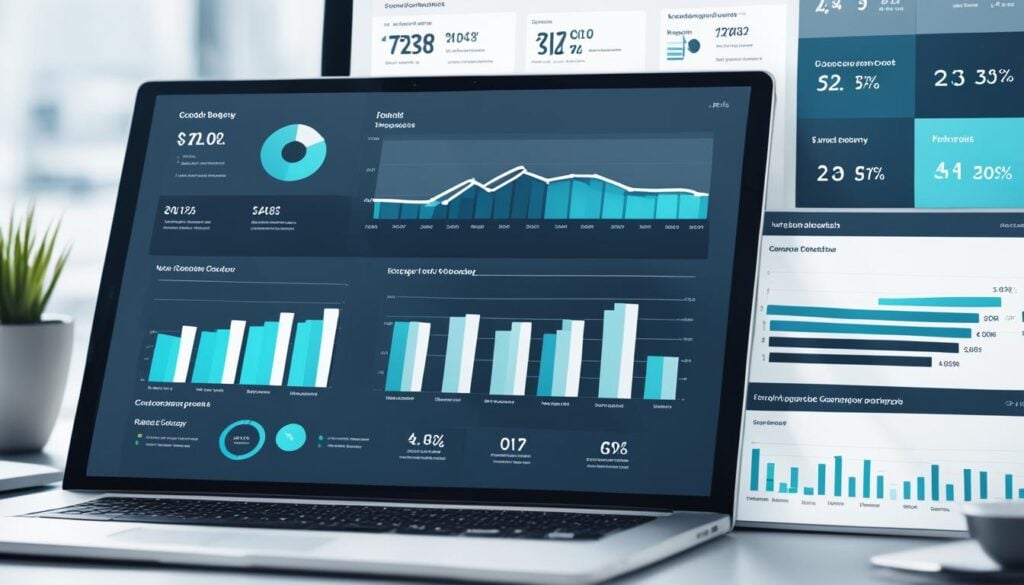
Mastering both formats is integral to your CRM strategy’s success, harnessing insights from each to optimize your approach to customer engagement, streamline processes, and overall, perpetually enrich the customer experience. So whether you’re monitoring live CRM metrics on a dashboard or diving into the comprehensive data of a report, you’re equipped to elevate your business strategies to new heights.
Customizing CRM Dashboards for Real-Time Sales Insights
Unlocking the full potential of CRM dashboard software begins with customization tailored to your business’s unique needs. Emphasizing KPIs that reflect your strategic priorities offers clarity on performance and enhances the impact of your sales strategies. Effective use of real-time customer analytics facilitates swift responsiveness to market dynamics, ensuring that your CRM becomes an invaluable asset for steering sales and marketing initiatives.

Incorporating Relevant KPIs into Your Dashboard
Choosing the right KPIs is a critical step in refining your CRM dashboard. By focusing on metrics that resonate with your business goals, you create a compass that guides your sales team towards efficiency and effectiveness. Strategic incorporation of real-time customer analytics into your dashboard aids in preempting churn rate and enhancing sales enablement, providing an edge in today’s market.
- Lead conversion rates: Gauge the effectiveness of your conversion strategies.
- Customer acquisition cost: Monitor spending efficiency on gaining new customers.
- Customer lifetime value: Understand the long-term value your customers bring to the company.
- Sales cycle length: Track the time taken to close deals, identifying potential bottlenecks.
Optimizing Visualizations for Quicker Analysis
Visualizing data through well-designed charts and graphs enables instant comprehension and fosters data-driven decision-making. Optimized visualizations cut through complexity, allowing users to quickly identify trends and act decisively. This optimization leads to faster analyses and supports collaborative efforts, setting the stage for adaptable and proactive sales strategies.
- Select bar charts or line graphs for clear trend analysis over time.
- Deploy heat maps to spotlight areas that require immediate attention.
- Use funnel visualizations to illustrate the progression of sales processes.
- Implement gauge charts for real-time performance against targets.
By personalizing your dashboard with pertinent metrics and visually intuitive elements, you ensure that every insight extracted is geared towards reinforcing decisive action and strategic agility. Steer your business to new heights by harnessing the insights gathered from an intelligently tailored CRM dashboard.
Strategic Use of CRM Reports for Stakeholder Engagement
As you navigate the complexities of customer relationship management, you’ll find CRM reports to be a cornerstone of effective stakeholder engagement. These reports offer a panoramic view of your business’s performance, providing the transparency and detail necessary for stakeholders to make informed decisions. The precision of tailored reports and the overview provided by periodic reporting are crucial in aligning with the long-term vision and objectives of your organization.
Generating Tailored Reports for Diverse Business Needs
In your quest to cater to the diverse needs of stakeholders, generating tailored reports is essential. These targeted CRM reports address specific interests and concerns, offering a personalized snapshot of the metrics that matter most to each stakeholder. By customizing reports, you ensure stakeholders receive the most relevant and impactful information, strengthening their trust and engagement in your business’s ongoing strategies and projects.
- Segment reports by department for focused insights.
- Highlight KPIs that reflect stakeholder interests.
- Adapt the level of detail based on the audience’s expertise.
Impact of Periodic Reporting on Long-Term Business Goals
Periodic reporting presents a strategic framework for reviewing past performance, current trends, and future projections. By integrating these regular assessments into your workflow, you can align your activities with the overarching business goals. Understanding the power of periodic CRM reports is essential in providing continuity, measuring progress, and facilitating long-term planning initiatives with high-level stakeholders.
- Establish regular intervals for report dissemination.
- Use trend analysis to predict future performance.
- Link report findings to strategic business objectives to drive forward-thinking discussions.
CRM Reporting Tools and Features that Drive Performance
In today’s business arena, CRM reporting solutions are not merely add-ons but the bedrock of informed decision-making. With CRM analytics, you gain access to a wealth of data that charts the course of your customer relationships and, ultimately, your company’s success. Identifying and utilizing the right features in your CRM reporting software is crucial for reaping the full benefits of this technology. Sitting at the heart of this advancement are real-time data, customization, and integration—each playing a pivotal role in fine-tuning your strategic sails.
Assessing these core features and understanding how they can be harnessed for enhanced business performance is integral. Let’s dive into the key features that set apart high-functioning CRM reporting tools, followed by how these tools can be integrated into a cohesive ecosystem that delivers comprehensive insights, propelling your organizational performance into new frontiers.
Key Features to Look for in CRM Reporting Software
When scouting for CRM reporting software that truly drives performance, your focus must pivot to a few non-negotiable features:
- Real-Time Data: The velocity of today’s business environment requires that you stay apprised of the latest developments. A CRM tool that delivers real-time data allows you to make timely and informed decisions.
- Customization: Every business is unique, and your CRM dashboard should reflect your bespoke needs. Customization options enable you to prioritize the data that matters most to your strategy.
- Integration Capabilities: True power lies in connectedness. A CRM tool should integrate seamlessly with other business systems to create a unified view of customer journeys and operational effectiveness.
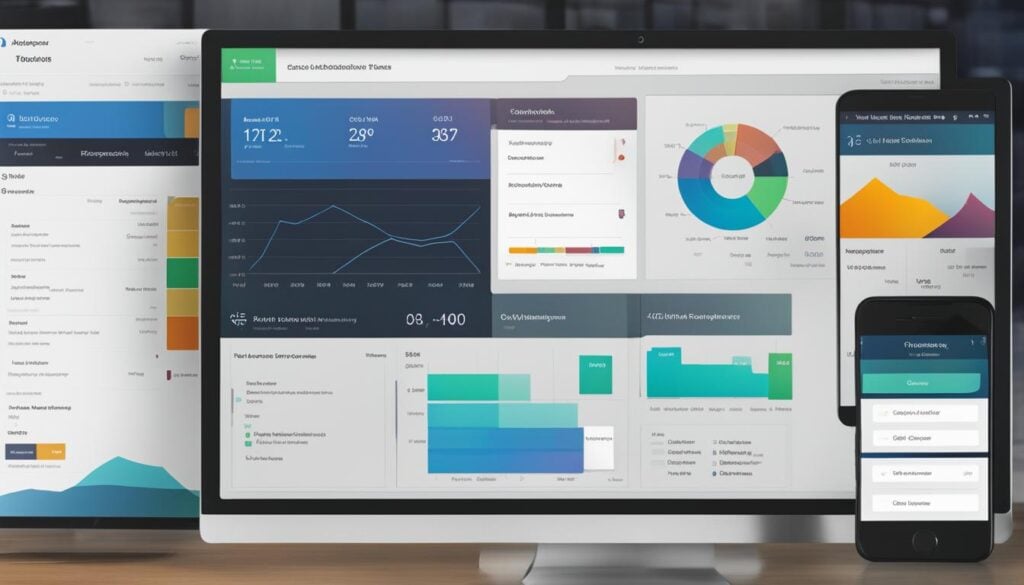
Integrating CRM Tools for Comprehensive Insights
The synergy created through the integration of CRM tools such as Mailchimp with other operational systems forms a latticework of intelligence that is both actionable and insightful. This integration is paramount for achieving a panoramic view of the customer experience, their engagement behaviors, and the sales pipelines that drive your business forward.
- Combining CRM data with financial systems allows for real-time revenue tracking and forecasting.
- Marketing automation and CRM integration facilitate targeted campaigns based on nuanced customer data.
- Customer service insights, when aligned with CRM analytics, provide a holistic view of the customer lifecycle, identifying areas for enhancement and opportunity.
CRM reporting solutions that offer these indispensable qualities of real-time data, customization, and integration empower businesses to not just visualize data but to enact data-driven strategies that are tailored, responsive, and ultimately transformative. With these tools, you are equipped to sculpt a narrative of success backed by the data-driven decisions that propel contemporary enterprises towards their objectives.
CRM Metrics that Matter: Identifying What to Measure
In the quest to drive business growth and meet overarching objectives, you are confronted with a wealth of data. To navigate this sea of information, identifying the CRM metrics that are in line with your business objectives is essential for deriving value from your CRM data analysis. Understanding and tracking the right metrics allows you to grasp the nuances of customer interactions and predict sales with greater accuracy.
Aligning Metrics with Business Objectives
Starting down the path to strategic alignment includes a close collaboration with team leads to select CRM metrics that reflect your most pressing business objectives. These Key Performance Indicators (KPIs) are not just numbers; they are the pulse points of your business operations. Their selection is a deliberate process geared towards obtaining insights directly tied to strategic outcomes, ensuring that your CRM data analysis is tailored for impact.
- Customer Retention Rates: Understand your success in maintaining client relationships.
- Average Purchase Value: Measure and enhance the value derived from each sale.
- Sales by Contact Method: Tailor your approach based on the most effective sales conduits.
- Revenue Growth Rates: Evaluate the incremental growth in revenue, tied directly to sales activities.
Interpreting Data for Predictive Sales Analysis
Translating the wealth of CRM data into actionable insights demands a proficiency in predictive sales analysis. Your ability to interpret CRM metrics to forecast sales trends and target potential opportunities is a definitive skill that will shape your strategic direction. Predictive analysis looks at past patterns to forecast future outcomes, allowing you to allocate resources efficiently and focus on sales opportunities primed for growth.
- Analyze historical sales data to predict future trends.
- Use customer behavior analysis to anticipate needs and customize offerings.
- Apply lead scoring models to prioritize sales efforts on the most promising leads.
- Identify market sentiments and competitor strategies for a proactive sales approach.
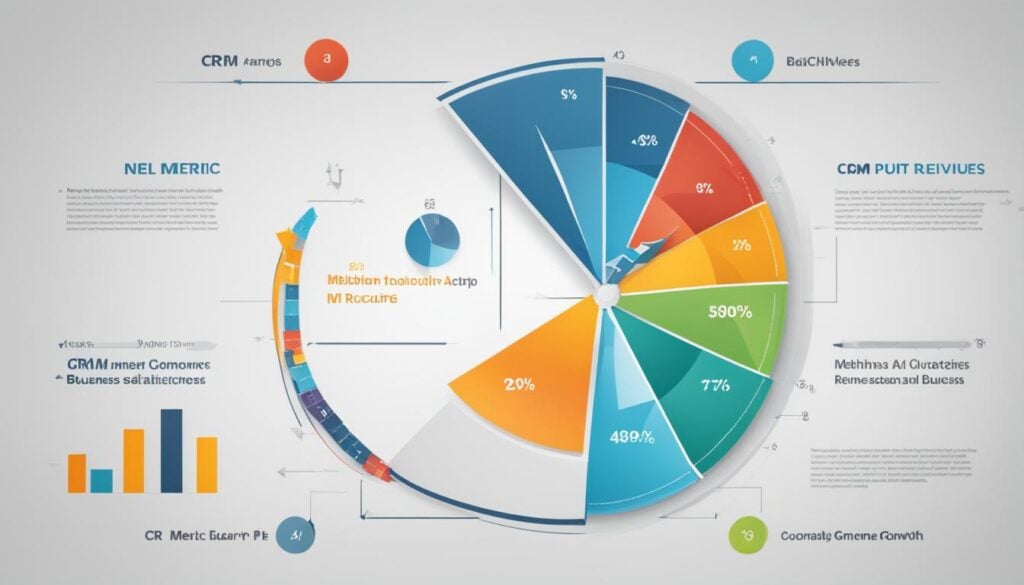
Armed with these insights, you can refine your sales strategies, invest wisely in processes that matter, and establish yourself as a formidable force in the marketplace. Look beyond the numbers and see the story they tell; therein lies the strategy for not just surviving, but thriving in the competitive business landscape of today.
CRM Data Visualization Techniques to Amplify Impact
As you delve deeper into CRM analytics, the clarity with which you present your data can make the difference between a strategy that falters and one that flies. Employing adept CRM data visualization is not just a strategic choice—it’s a necessity in a data-driven business world. To extract the most value from your CRM system, you need to employ visualization techniques that not only make your data understandable but also actionable.
Choosing Effective Graphs and Charts for Your Data
To navigate the oceans of data within your CRM, you must be able to quickly and accurately interpret what lies beneath the surface. This is where effective graphs and impactful charts come into play. The type of visualization you choose should directly correspond with the data point you intend to elucidate.
- Utilize line graphs to display changes and trends over time—ideal for tracking sales growth or customer engagement metrics.
- Opt for bar charts to compare quantitative information across different categories, such as product performance or regional sales.
- Implement pie charts for illustrating proportions, like market share or lead source distribution.
- Select funnel charts to depict the sales process from lead generation to deal closure, pinpointing potential drop-off points.
Leveraging Interactive Dashboards for Deeper Insights
Interactive dashboards transcend static data presentation, providing a dynamic platform where you can explore the intricacies of your CRM data. With interactive dashboards, you play an active role in uncovering the narratives woven into every graph and chart. By interacting with different components, you uncover layers of insights that would otherwise remain hidden.
- Drill down into specific data points to uncover underlying causes or potential opportunities.
- Employ hover-over details to present additional data without cluttering your dashboard space.
- Use filtering options to segment data by various criteria such as demographics, sales cycle stages, or customer behaviors.
- Engage with time-slider features to visualize how your key metrics evolve and respond to different time frames.
The ultimate aim is to weave these visualization techniques into a coherent story that speaks volumes about your customers, sales, and business health. It’s a narrative that empowers you with actionable intelligence, enabling you to drive your organization’s strategy with precision and creativity.
Best Practices for Implementing CRM Performance Reporting
When it comes to enhancing your business strategy through data analytics, implementing CRM performance reporting is key. By adhering to a set of best practices, you can ensure that your CRM tools are not just operational but also strategic in driving your organization’s growth. Here, you’ll uncover the pivotal steps for crafting an impactful CRM reporting strategy and fostering a culture of proactive adoption and continuous learning.
Developing a Strategic CRM Reporting Plan
To harness the full capabilities of CRM performance reporting, it starts with crafting a strategic plan. This plan should serve as a blueprint, outlining clear objectives, the necessary KPIs to track progress, and the ways in which CRM dashboards will integrate into your daily operations. A strategic plan is your roadmap, guiding the selection and customization of dashboards and reports that resonate with your business’s goals.
- Identification of key CRM performance metrics specific to departmental and organizational needs
- Selection of real-time and periodic reporting tools for comprehensive analysis
- Integration of CRM dashboards into existing workflows for seamless adoption
- Regular review and updates to the strategic plan to adjust to changing market conditions
Training and Adoption: Keys to Successful CRM Reporting
Your CRM performance reporting system’s success hinges on user training and adoption. In-depth training sessions equip your team with the knowledge necessary to make the most of your CRM’s functionalities, driving dashboard adoption and ensuring that the system’s insights are leveraged for strategic decision-making.
- Develop comprehensive training modules for different levels of users, from basic to advanced analysis
- Encourage team feedback to tailor training for relevance and effectiveness
- Implement user-friendly dashboard designs to promote regular use
- Monitor user engagement and offer continuous education to maintain high adoption rates
Embracing these best practices in CRM performance reporting will not only streamline your data analysis processes but also empower your team to deliver data-driven results with confidence.
Conclusion
As we draw this discussion to a close, it’s evident that CRM reporting and dashboards hold transformative power for businesses keen on harnessing data-driven insights. This potent duo provides a crystal-clear lens through which to view customer interactions and measure operational performance, granting you the strategic advantages necessary to navigate an increasingly complex business landscape. To keep pace with the rapid evolution of modern commerce, integrating advanced CRM practices is no longer a luxury—it’s an imperative for success.
Recap: The Strategic Advantages of CRM Reporting and Dashboards
Throughout this article, we’ve uncovered the intricate benefits of CRM implementation. At the core, CRM reporting aligns with your pursuit of improved organizational performance, while dashboards offer the agility to adapt to market fluctuations in real time. Together, they form a comprehensive approach that enhances customer understanding and bolsters business efficiency. In essence, these tools are not merely for reflection—they light the path forward, revealing opportunities obscured without data-driven illumination.
Next Steps: Integrating Insightful CRM Practices into Your Business
Your journey in maximizing CRM advantages begins now. Start by embracing the best practices outlined and ensuring complete alignment between the CRM insights uncovered and your overarching business objectives. Remember, a strategic CRM is more than a repository for customer data—it’s the bedrock on which savvy decisions are built. By capitalizing on the full scope of capabilities offered by CRM data analysis, you’re empowered to craft strategies that resonate deeply with your customers, driving sustained growth and leaving an indelible mark in your industry.
FAQ
How do CRM reporting and dashboards facilitate strategic business decisions?
CRM reporting and dashboards aggregate large quantities of data and present it in an actionable form to aid strategic business decisions. They provide critical insights into customer behavior, sales trends, and operational efficiency, enabling companies to make informed, data-driven choices that align with their strategic goals.
Why is CRM analytics essential to business strategy?
CRM analytics is essential because it allows businesses to understand and predict customer behaviors, identify sales opportunities, and optimize marketing efforts. This data-driven approach leads to enhanced organizational performance and gives businesses a competitive edge by providing the insights needed for effective decision making.
What is the difference between business dashboards and reports in CRM?
Business dashboards are interactive tools that provide real-time data visualization, allowing for immediate insights and quick responses to changing business conditions. Reports, on the other hand, tend to be generated periodically and are used to give a comprehensive overview of performance over a specific time frame, aiding in strategic planning and decision making.
How can customizing CRM dashboards improve real-time sales insights?
By customizing CRM dashboards with the most relevant KPIs and metrics, companies can monitor real-time sales data that can help them detect trends, measure performance against goals, and swiftly respond to market demands. This level of customization ensures that sales teams have access to the data that matters most for their strategies.
What is the strategic value of CRM reporting for stakeholder engagement?
CRM reporting is valuable for stakeholder engagement as it provides a detailed and tangible demonstration of company activities and results. Tailored reports can address specific stakeholder concerns and objectives, informing them of the underlying trends and outcomes, thus facilitating more engaged and informed decision making.
Which features in CRM reporting tools are key to driving performance?
Features such as real-time data monitoring, customization, integration with other business systems, detailed analytics, and user-friendly interfaces are key in CRM reporting tools. They help drive performance by providing comprehensive, tailored insights into customer interactions and overall business operations.
How should businesses align CRM metrics with their objectives?
Businesses should identify the key performance indicators (KPIs) that are most closely linked to their strategic goals. These metrics should then be incorporated into CRM analytics to track progress and success. Regular analysis of these metrics can provide insights that help businesses in strategic planning and adapting to change effectively.
What makes CRM data visualization techniques effective?
Effective CRM data visualization techniques include the use of well-chosen graphs and charts that align with the data’s context and the insights being conveyed. Interactive dashboards can enhance these visualizations by allowing users to explore the data more deeply, thus amplifying the impact of the information presented.
What are the best practices when implementing CRM performance reporting?
Best practices include setting up a strategic planning process for CRM reporting, selecting the right types of dashboards and reports for different business needs, ensuring the layouts are user-friendly, and providing comprehensive training to maximize adoption. Keeping the CRM system updated, maintained, and secure is also fundamental to effective performance reporting.
What are the strategic advantages of integrating CRM reporting and dashboards into a business?
The strategic advantages of integrating CRM reporting and dashboards include enhanced understanding of customer behaviors and preferences, more effective resource allocation, optimized marketing strategies, and improved sales forecasting. These tools enable businesses to make quicker and more informed decisions, often resulting in increased operational efficiency and higher profitability.
